
Why is my car hard to start in the morning?
A car that starts, but only just — cranking longer than it should before it catches — is heading toward one that won't start at…
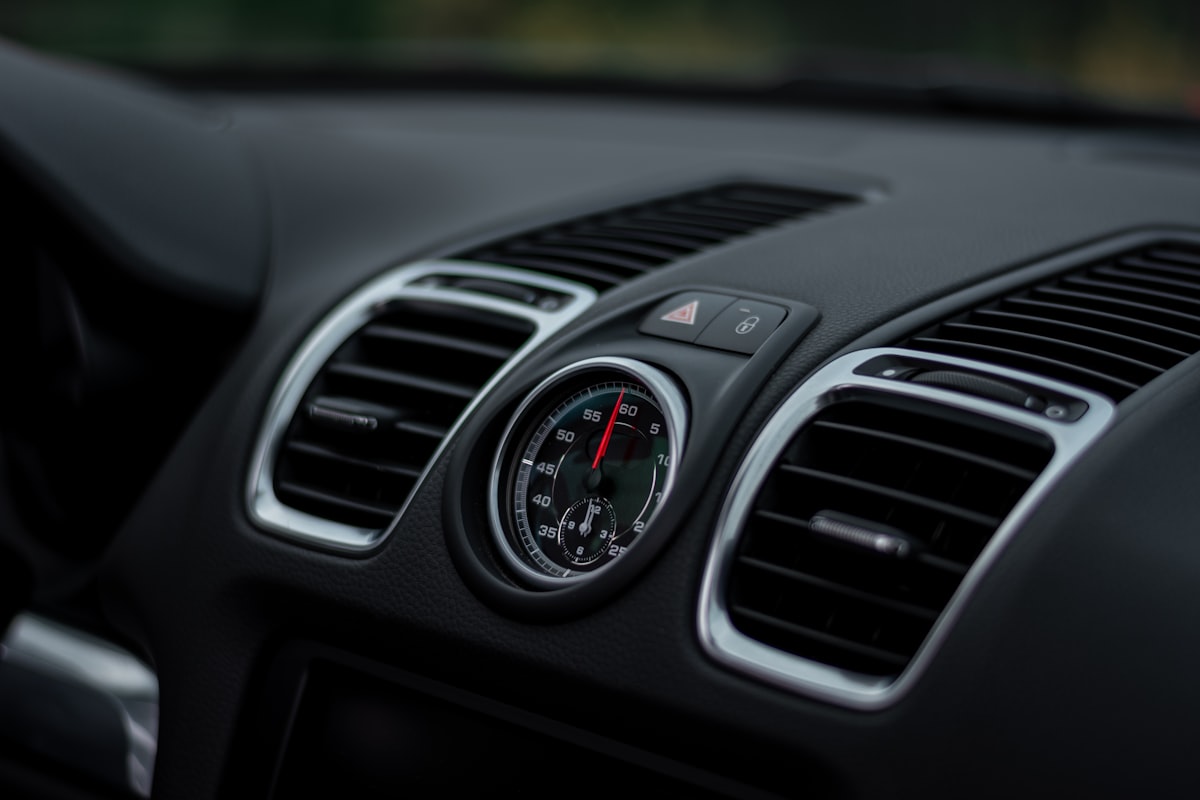
There are few things less welcome on a frosty Graham morning than a heater that blows cold. You are scraping the windshield, your breath is fogging the glass, and the one thing you want — warm air through the vents — never arrives, or takes half the drive to show up. A heater that will not heat is more than a comfort problem in winter; it is a visibility problem, because the same system clears fog and ice off the inside of your glass. The good news is that most causes are fixable, and some are cheap. Here is why your heater blows cold and what it usually takes to put it right.
This surprises people: your car's heat is a by-product of the engine, not a separate furnace. As the engine runs it makes a lot of heat, which the coolant carries away. A small radiator tucked behind the dashboard — the heater core — takes some of that hot coolant, and a fan blows air across it and into the cabin. That is your heat. Which means anything that interferes with hot coolant reaching or flowing through that heater core shows up as cold air from the vents. Understanding that one fact explains almost every cause below.
The most common cause, and often the cheapest. If the coolant level is low — usually because of a leak — there may not be enough to reach the heater core, so the fan blows unheated air. Low coolant also risks the engine overheating, so a heater that has gone cold can be an early warning worth heeding. If you have spotted a puddle where you park, our guide to identifying a leak by its colour covers how to tell coolant from the rest.
The thermostat controls the engine's temperature. If it sticks open, the engine never warms up properly, so there is no real heat to give — the temperature gauge sits low and the vents stay lukewarm. It is a relatively inexpensive part and a common cause of “the heater is just never hot.”
Over time the narrow passages in the heater core can clog with sediment and old, broken-down coolant, so hot coolant cannot flow through it well. The result is weak or cold heat even though the engine is warm. This is one reason keeping coolant fresh matters more than people think — old coolant is what silts these passages up.
An air pocket in the cooling system — often after a coolant leak or a repair — can sit in the heater core and block the flow, giving you cold air. “Burping” the air out of the system fixes it, and it is a common culprit after other cooling work.
Behind the dash, a small door directs air across the heater core (hot) or bypasses it (cold), and it is what moves when you slide the temperature control. If that door or its actuator fails, the system can be stuck on cold no matter what the dial says, even with a perfectly hot engine. This one is purely a controls problem, not a coolant one.
One quick observation splits the causes in half. If your engine's temperature gauge is sitting where it normally does — warmed up and steady — but the vents still blow cold, the engine has heat and the problem is getting it into the cabin: a clogged heater core, trapped air, or a stuck blend door. If the gauge stays low and never comes up to normal, the engine itself is not warming properly, which points at a stuck-open thermostat or low coolant. That single check saves a lot of guessing, and it is worth glancing at before you call.
It is tempting to bundle up and tough it out until warmer weather, but there are two reasons not to. First, safety: your defroster relies on this exact system to clear fog and ice off the inside of the windshield, and driving through winter with poor defrost is a real visibility hazard, not just a chilly inconvenience. Second, some causes — low coolant especially — are early signs of a cooling-system problem that can lead to overheating, which is a far bigger bill. A cold heater is sometimes the first symptom of something worth catching. Getting it looked at is as much about the windshield and the engine as it is about being warm.
Because something is stopping hot engine coolant from reaching or flowing through the heater core behind your dash. The usual causes are low coolant (often from a leak), a stuck-open thermostat so the engine never warms up, a clogged heater core, trapped air in the system, or a failed blend door stuck on cold. Checking your temperature gauge helps narrow which.
It is not dangerous in itself, but in winter it becomes a visibility issue, because the same system runs your defroster that clears fog and ice off the inside of the glass. And if the cause is low coolant, it can be an early sign of a cooling problem that leads to overheating. So it is worth checking rather than just enduring — both for your windshield and your engine.
That pattern often points at low coolant or a weak circulation situation — at speed the coolant moves more and carries enough heat to the core, but at a stop the flow is not enough. It is worth having the coolant level and the system checked, since low coolant is both the likely cause and something you do not want to leave.
It is one of the most common causes, so it is a real possibility — but not the only one. A stuck thermostat, a clogged heater core, trapped air, or a failed blend door can all do it with the coolant full. Checking the level is a sensible first step, and if it is low, finding the leak matters as much as topping it up.
It ranges widely — topping up coolant and finding a leak, or a thermostat, is modest, while a clogged heater core buried behind the dash is a bigger job. That is why we diagnose it first and tell you the cause and the price before doing anything. Call (253) 375-7057 for a straight answer for your vehicle.
A working heater is a winter safety system as much as a comfort one. We are on Meridian E in Graham, open Monday to Friday, and we will find why yours is blowing cold — coolant, thermostat, heater core, or controls — and tell you honestly what it needs. Call (253) 375-7057 or book a time online.
Bring it in and we will tell you what it actually needs. Open Monday to Friday, 9am to 5pm.
A car that starts, but only just — cranking longer than it should before it catches — is heading toward one that won't start at…
Wheel alignment is easy to skip because nothing dramatic happens when it's off. Instead it quietly wears your tires out faster…
You start the car and it lets out a loud squeal from under the hood that fades as the engine settles. It almost always comes from…
Tell us the noise, the light, or the mileage. We will tell you what it takes.