
Why is my car burning oil?
The oil level keeps dropping but there's no puddle — so where is it going? A car that uses oil without leaking it is burning it…
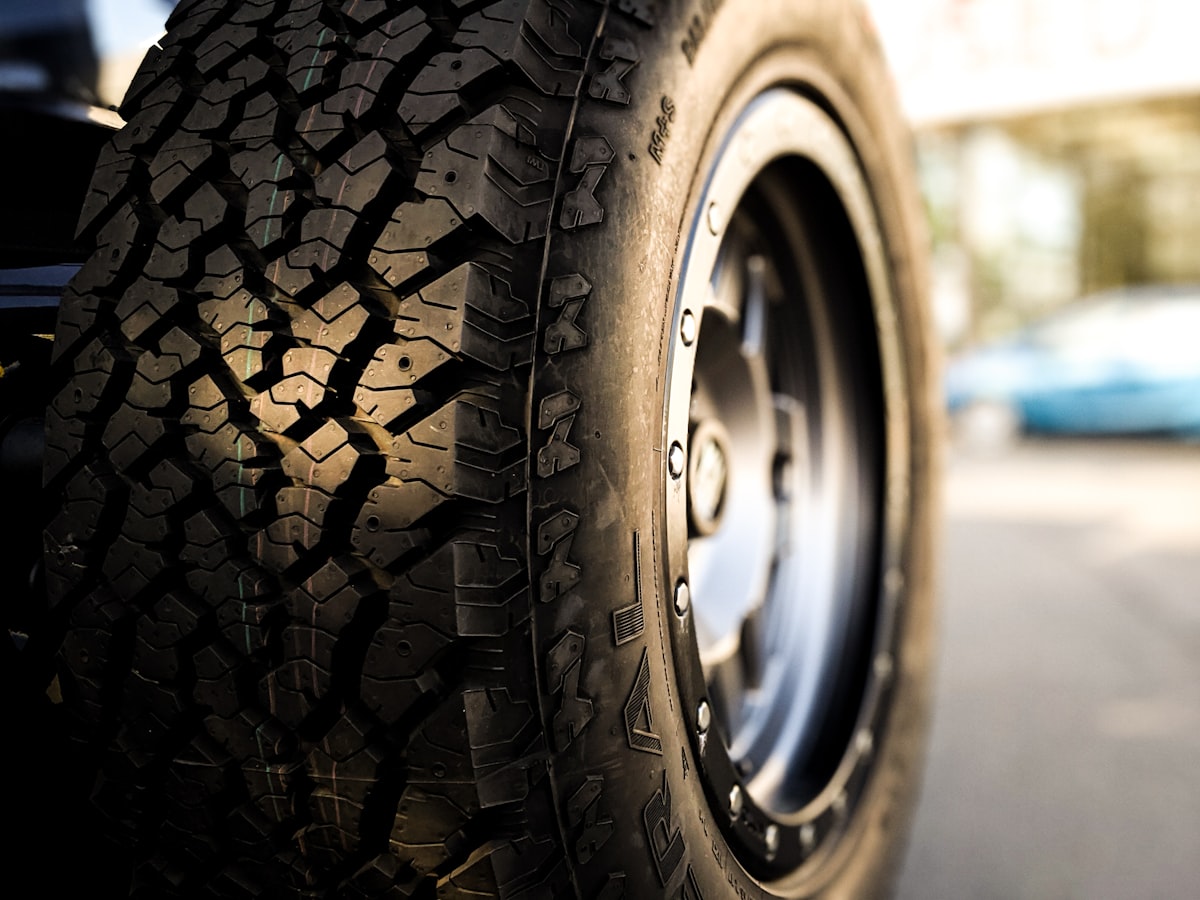
As the wet season settles in over western Washington, it is worth asking a question most people around here skip: do you actually need winter tires, or are your all-seasons enough? Unlike the Midwest or the mountains, the Puget Sound lowlands do not get buried in snow very often — but we do get months of cold rain, the occasional ice, and a handful of snow days that snarl everything. The honest answer is not one-size-fits-all, so here is how to think about it for the way people actually drive around Graham and Pierce County.
The difference is not just tread pattern — it is the rubber itself. All-season tires are a compromise built to do a decent job in most conditions most of the year, and for a lot of Puget Sound drivers they are genuinely enough. Winter tires use a softer rubber compound that stays flexible in the cold, plus a tread designed to bite into snow and clear slush. The key fact people miss: all-season and summer tires get hard as the temperature drops, and hard rubber grips less — even on dry, cold pavement. Below about 45 degrees Fahrenheit, a winter tire's compound is already gripping better than an all-season, snow or no snow. So winter tires are not only about snow; they are about cold.
For the majority of lowland Pierce County drivers — commuting on paved, plowed, mostly snow-free roads — a good set of all-season tires with healthy tread is a reasonable choice. We rarely get sustained deep snow down here, and the cost and hassle of buying, storing, and swapping a second set of tires is real. If your all-seasons have plenty of tread and you can stay home or wait out the two or three genuine snow days a year, you are not being reckless. The single biggest factor for you is not the tire type — it is how much tread is left, because worn tread on wet roads is the actual danger most of the year.
Winter tires start to make real sense if any of these describe you. You commute over the passes or up into higher elevations where snow and ice are routine. You cannot afford to be stuck — a job you have to reach, a long drive, someone you have to pick up — on the days it does snow. You drive early mornings when temperatures sit low and roads are frosty. Or you simply want the extra margin of grip and shorter stopping distances that the softer compound gives you all winter, not just in snow. For those drivers, a dedicated set of winter tires is not overkill; it is the right tool, and the improvement in cold-and-wet braking is something you feel.
There is a third option worth knowing about: all-weather tires (not the same as all-season), which carry the mountain-snowflake rating for real winter capability while still being fine to run year-round. For someone who wants better cold-weather grip without the swap-and-store routine of dedicated winters, they are a genuine compromise. And whatever you run, two boring things matter more than the badge on the sidewall: keeping your tires at the correct pressure — which drops with the cold and shows up as that tire pressure light on cold mornings — and making sure you have real tread depth going into the wet season. A great tire worn smooth is worse than a modest tire with good tread.
Most lowland Graham-area drivers do fine on quality all-seasons with good tread, and there is no shame in that. If your winter takes you over the passes, into the hills, or into situations where being stuck is not an option, winter or all-weather tires are worth the investment. What is not worth it is heading into a wet Pacific Northwest winter on bald tires of any kind — that is where the real risk is. If you are not sure which camp you are in, we are happy to look at your tires and your driving and give you a straight recommendation, with no push toward the more expensive option if you do not need it.
For most lowland drivers on paved, mostly snow-free roads, good all-season tires with healthy tread are enough. Winter tires make real sense if you drive the passes or higher elevations, cannot afford to be stuck on snow days, or drive cold early mornings — because winter tires grip better in the cold, not just in snow. It comes down to where and when you actually drive.
Usually, yes, provided they have plenty of tread left. We rarely get sustained deep snow in the lowlands, so quality all-seasons handle the cold rain that makes up most of our winter. The bigger risk than tire type is worn tread on wet roads, so tread depth matters more than the label for most people here.
All-season tires are a year-round compromise, while winter tires use a softer rubber that stays flexible in the cold and a tread built to bite snow and slush. The main thing people miss is that all-season rubber hardens and grips less as it gets cold, so winter tires give better grip below about 45 degrees even on dry pavement — they are about cold, not only snow.
All-weather tires are a middle option: they carry the mountain-snowflake rating for genuine winter capability but can be run year-round, so you get better cold-weather grip without swapping and storing a second set. For a driver who wants more winter margin without the seasonal changeover, they are a sensible compromise.
Yes — bring the car in and we will measure the tread, check the age and condition, and talk through how and where you drive, then give you a straight recommendation with no pressure toward the pricier option if you do not need it. Call (253) 375-7057 to set up a time.
Whether it is a fresh set of all-seasons, dedicated winters for the passes, or just a tread check to make sure you are safe for the wet, we will give you an honest recommendation for how you actually drive. We are on Meridian E in Graham, open Monday to Friday. Call (253) 375-7057 or book a time online.
Bring it in and we will tell you what it actually needs. Open Monday to Friday, 9am to 5pm.
The oil level keeps dropping but there's no puddle — so where is it going? A car that uses oil without leaking it is burning it…
Tire rotation is one of the cheapest, most-skipped pieces of maintenance there is — and skipping it wears out a set of tires…
Premium fuel looks like the responsible choice, and the price gap adds up. Does your car actually need it, or is regular fine?…
Tell us the noise, the light, or the mileage. We will tell you what it takes.