
Do you really need premium gas?
Premium fuel looks like the responsible choice, and the price gap adds up. Does your car actually need it, or is regular fine?…
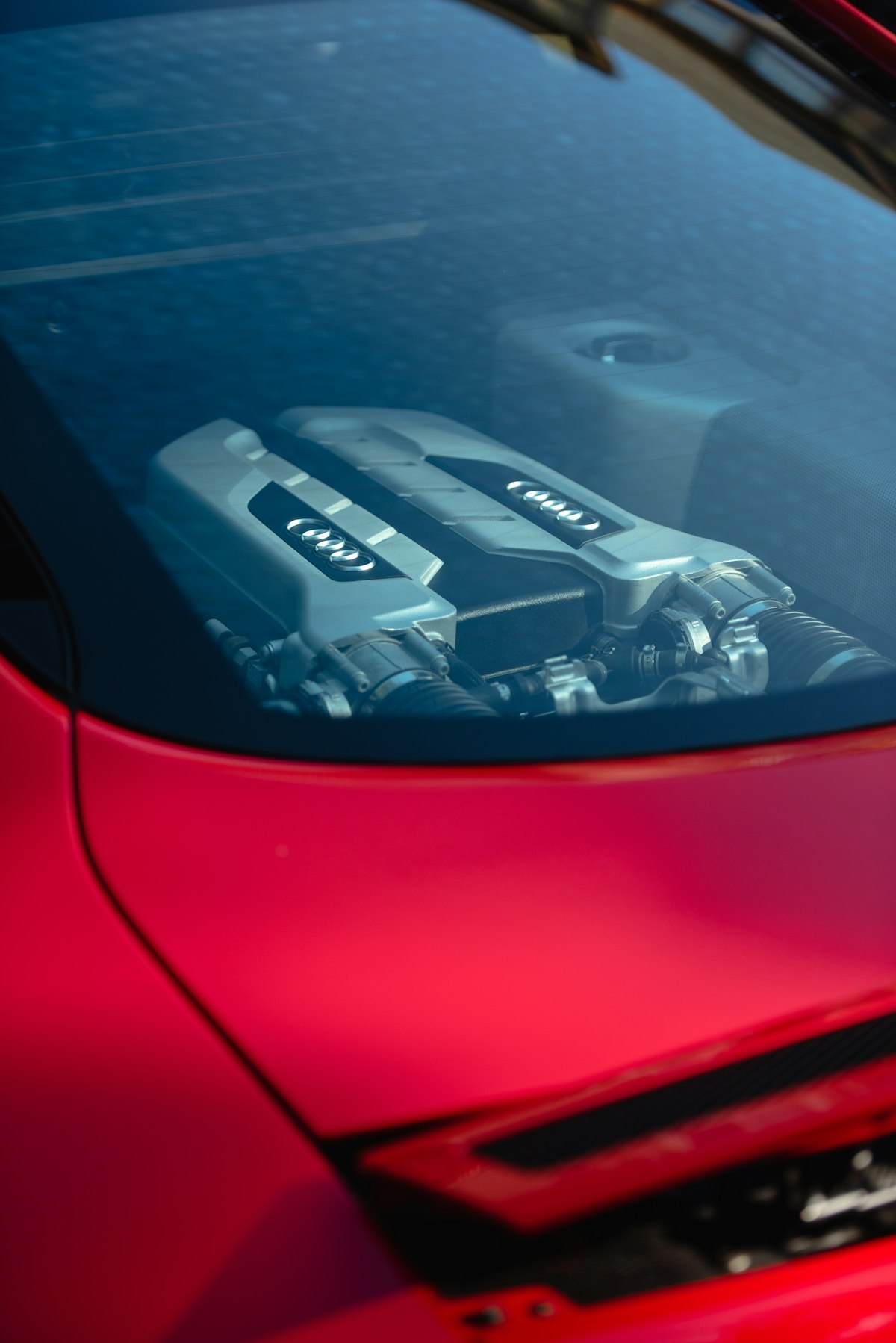
An overheating engine is one of the few car problems where what you do in the next five minutes genuinely decides how much it costs. Catch it early and pull over, and you are often looking at a hose or a thermostat. Keep driving with the temperature gauge buried in the red, and you can warp a cylinder head or crack the engine block — a repair that can cost more than the car is worth. So this is worth knowing before it happens to you on I-5 or halfway up to Rainier on a warm afternoon. Here is how to read the warning signs, what to do the moment it starts, and what actually causes it.
Overheating rarely arrives with no warning. The signs tend to come in sequence, and the earlier you act, the cheaper it stays.
If that gauge is climbing into the red, the goal is simple: get heat out of the engine and stop making more of it. In order:
The instinct a lot of people have — "it is only a few more miles, I will just make it home" — is exactly the instinct that turns a cheap fix into a ruined engine. Those few miles are where the expensive damage happens.
Overheating is almost always a failure somewhere in the cooling system — the network of coolant, hoses, pump and radiator whose whole job is to carry heat away from the engine. These are the usual culprits.
The most common cause. If coolant is leaking — from a hose, the radiator, the water pump, or a gasket — the system runs low and can no longer move enough heat. A puddle under the car or a sweet smell points here. If you have spotted a colourful puddle where you park, our guide to identifying a leak by its colour is worth a look, because bright green or orange usually means coolant.
The thermostat is a valve that opens to let coolant flow to the radiator once the engine warms up. If it sticks shut, coolant stops circulating and the temperature climbs fast even though the system is full. It is a relatively inexpensive part, and a common cause of sudden overheating on a car that was fine yesterday.
The water pump is what actually pushes coolant around the engine. When it fails, circulation stops, and the engine overheats. Sometimes you get a warning — a whine, a slight leak from the front of the engine — before it goes completely.
At low speed and when you are stopped in traffic, an electric fan pulls air through the radiator. If that fan fails, you will often notice the car runs fine on the highway — where airflow does the job — but the temperature climbs the moment you slow down or sit at a light. That pattern is a strong clue.
Over years, a radiator can clog internally or lose efficiency, so it simply cannot shed heat the way it used to. More common on higher-mileage cars, and often the reason a car that never used to overheat starts creeping up on hot days.
Mostly, yes. Overheating is one of the more preventable big failures, because the cooling system gives you warnings and wears in predictable ways. A cooling-system check — coolant condition and level, a look at the hoses for swelling and cracks, a pressure test to find leaks before they strand you — catches most of this while it is cheap. Coolant also does not last forever; it breaks down over time and stops protecting against both boiling and corrosion, which is why a coolant service on schedule matters more than people think. It is the same cooling system that runs your heating and air conditioning, so keeping it healthy pays off in more than one season.
Brakes and oil leaks get more expensive gradually. Overheating is different, because the jump from cheap to catastrophic can happen in a single drive. A thermostat, a hose, or a water pump is a routine repair. An engine that has been run hot long enough to warp the head or crack the block is, on a lot of cars, the end of the road. That is the whole reason we push people to stop the moment the gauge climbs: the part that failed is usually affordable, right up until the moment the overheating it caused takes out the engine around it.
Turn off the AC, turn the heater on full hot with the fan up to pull heat out of the engine, and pull over and shut the engine off as soon as it is safe. Do not open the coolant cap while it is hot. If the gauge does not drop or you see steam, call for a tow rather than driving on — a tow is far cheaper than a new engine.
No. This is the one where "just a few more miles" does the real damage. Driving with the temperature gauge in the red risks warping the cylinder head or cracking the block, which can cost more than the car is worth. Stop as soon as you safely can and get it looked at before driving again.
That pattern usually points at the cooling fan. On the highway, airflow through the radiator does the cooling for you; at low speed and when stopped, the electric fan has to pull that air through. If the fan has failed, the engine stays cool while you are moving and climbs the moment you slow down or sit at a light.
A full system that still overheats usually means the coolant is not circulating or not shedding heat — a stuck thermostat, a failed water pump, a dead cooling fan, or a clogged radiator. The coolant being full rules out a simple leak, which actually helps narrow the diagnosis to the parts that move or cool it.
It depends entirely on what failed — a thermostat or a hose is a modest repair, a water pump or radiator is more, and a damaged engine is a different conversation. That is exactly why catching it early matters. We diagnose first and give you the price before any work starts. Call (253) 375-7057 for a straight answer for your vehicle.
If your temperature gauge has been creeping up, or the car has overheated once and you got it stopped in time, that is the moment to have the cooling system checked — before it happens again somewhere less convenient. We are on Meridian E in Graham, open Monday to Friday, and we will pressure-test the system, find the actual cause, and tell you honestly what it needs. See how we diagnose, call (253) 375-7057, or book a time online.
Bring it in and we will tell you what it actually needs. Open Monday to Friday, 9am to 5pm.
Premium fuel looks like the responsible choice, and the price gap adds up. Does your car actually need it, or is regular fine?…
A sharp, sulfur, rotten-egg smell points at one part of your car — and while it's rarely a stop-now emergency, it's a fuel or…
A shimmy in the wheel or a pulse in the pedal that shows up only when you brake tells a different story than a shake at highway…
Tell us the noise, the light, or the mileage. We will tell you what it takes.