
Do you really need premium gas?
Premium fuel looks like the responsible choice, and the price gap adds up. Does your car actually need it, or is regular fine?…
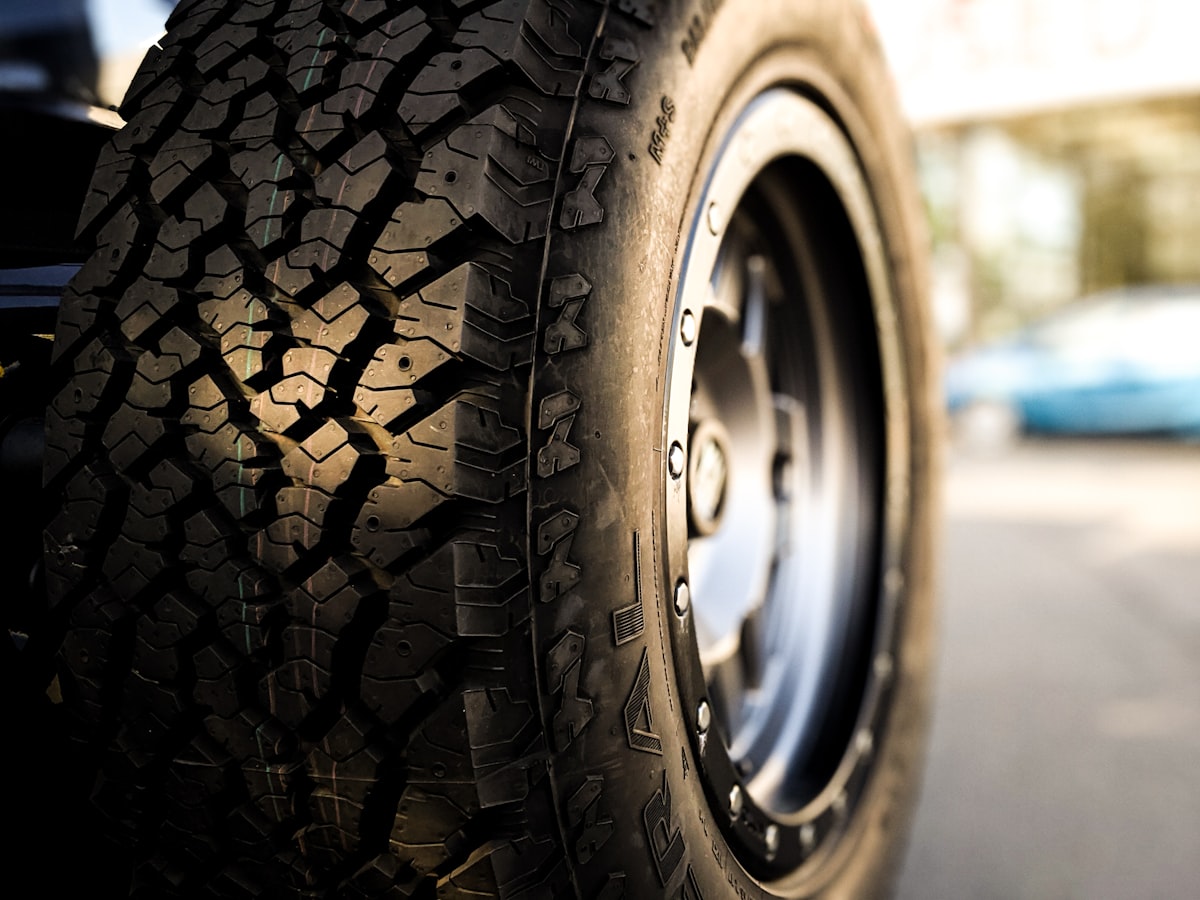
Tire rotation is one of the cheapest, most-skipped pieces of car maintenance there is. It has no warning light, it fixes nothing you can feel today, and it is easy to put off indefinitely — which is exactly why so many people wear out a set of tires years before they had to. Moving your tires around on a schedule is a small, boring habit that quietly saves you real money, and here is why it works and how often to actually do it.
Your four tires do not live the same life. On most cars the front tires do more work: they carry the weight of the engine, they do the steering, and on front-wheel-drive cars they put the power down too. So the fronts almost always wear faster than the rears, and they wear differently — the edges scrub off in corners while the rears wear more evenly down the middle. Leave the tires where they are and, before long, you have two worn-out fronts sitting on top of two rears with plenty of tread left. Rotating them — swapping front to back on a set pattern — evens that out, so all four wear down together and reach the end of their life at the same time.
There are two reasons this matters, and both are real.
The first is money. A set of tires that wears evenly gives you its full mileage; a set left un-rotated makes you replace the fronts early while the rears are still good, so you buy tires more often and rarely get to replace all four at once. Over the life of a car, that adds up to real money spent on rubber you did not have to buy.
The second is safety, and it matters most here. Around western Washington the roads are wet for a good part of the year, and matched tread front-to-back keeps the car balanced and predictable in the wet. Badly mismatched tires — worn fronts, deep rears, or the other way around — make a car handle unevenly and can make it more likely to slide in a hard stop or a corner on a soaked road. Even wear is not just cheaper; it is steadier.
The common guidance is every 5,000 to 7,500 miles, and the easiest way to remember it is to have it done with every oil change or every other one — the car is already up in the air, so it costs little to add. Some manufacturers give a specific interval and pattern in the owner's manual, and all-wheel-drive vehicles in particular can be fussy about keeping all four tires closely matched, so their interval is worth following closely. If you cannot remember the last time yours were rotated, that is a sign it is due.
Here is the part people miss. A rotation is not just moving tires — it is four wheels off the car, which is the perfect moment to catch things early. With the wheels off we can see the brakes properly, spot a tire wearing unevenly on one edge (which points at an alignment problem you would want to fix before it eats the new tires), check for a nail or a bulge, and set the pressures right. A rotation that turns up a $30 alignment issue before it ruins a $600 set of tires has more than paid for itself. It is a small service that buys you a regular look at the parts that keep you on the road.
Usually every 5,000 to 7,500 miles — the simplest habit is to have it done at every oil change or every other one, since the car is already up on the lift. Check your owner's manual for a specific interval and pattern, and follow it closely on all-wheel-drive vehicles, which are sensitive to mismatched tires. If you cannot remember the last rotation, it is due.
Your front tires wear out well before the rears, so you end up replacing tires early and rarely get to replace all four together — you buy rubber more often than you needed to. Uneven tread front-to-back also makes the car handle less predictably, which matters most on wet roads. Rotation is cheap; the tires it saves are not.
Yes. Because the front and rear tires wear at different rates and in different patterns, moving them around on a schedule evens out that wear so all four reach the end of their life together. That gets you the full mileage out of the set instead of scrapping half-worn tires, which is a straightforward saving over the life of the car.
You can if you are comfortable and have the right jack and stands to do it safely — but the real value of having a shop do it is the look it gives at everything else while the wheels are off: the brakes, uneven wear, alignment clues, pressures, and any damage. That inspection is often worth more than the rotation itself.
It is one of the most affordable services there is, and it is often done as part of an oil-change visit. We will also flag anything we see while the wheels are off, so you catch small problems early. Call (253) 375-7057 to sort out a time.
Rotating your tires on schedule is one of the easiest ways to get your full money's worth out of a set — and it comes with a free look at your brakes and alignment. We are on Meridian E in Graham, open Monday to Friday. Call (253) 375-7057 or book a time online.
Bring it in and we will tell you what it actually needs. Open Monday to Friday, 9am to 5pm.
Premium fuel looks like the responsible choice, and the price gap adds up. Does your car actually need it, or is regular fine?…
A sharp, sulfur, rotten-egg smell points at one part of your car — and while it's rarely a stop-now emergency, it's a fuel or…
A shimmy in the wheel or a pulse in the pedal that shows up only when you brake tells a different story than a shake at highway…
Tell us the noise, the light, or the mileage. We will tell you what it takes.