
When do you actually need new tires?
Tires are the only part of your car that touches the road, and the one people push furthest past its useful life — because a worn…
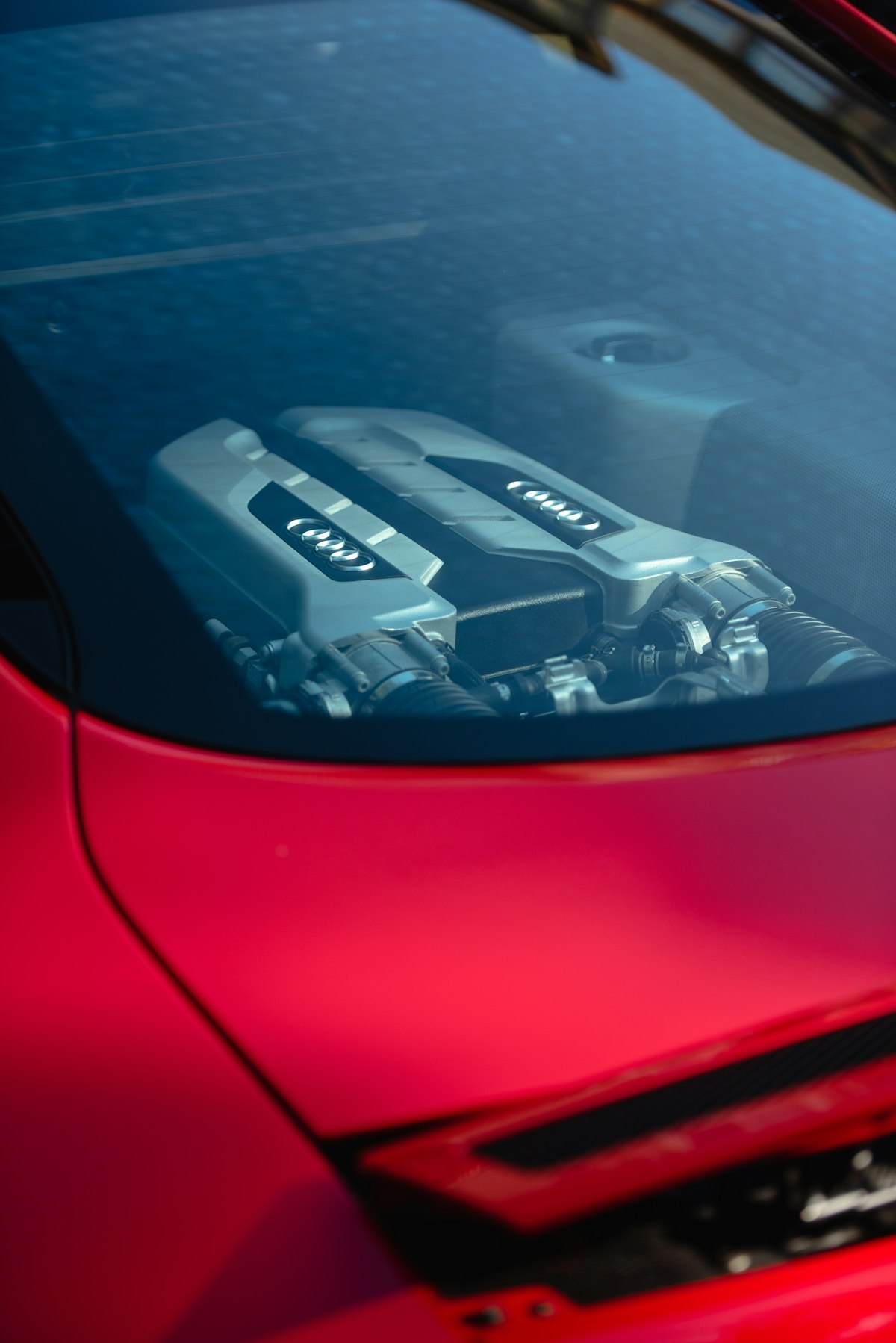
The timing belt is one of the few parts on your car where a routine, planned replacement and a catastrophic engine failure are separated by nothing but time. Miss the interval and a snapped belt can destroy the engine in an instant; replace it on schedule and it is an ordinary maintenance job. The catch is that a lot of drivers don't know whether their car even has a belt — because some have a chain instead, which is a different story. Here is how to tell which you have, and why it matters so much.
Your engine has a crankshaft at the bottom that drives the pistons, and one or more camshafts up top that open and close the valves. The timing belt or chain links them so they turn in perfect sync — valves opening and closing in exact time with the pistons moving up and down. That synchronisation is everything. Lose it and the engine stops running, and on many engines the moving parts collide.
A reinforced rubber belt, running outside the engine behind plastic covers. It is quiet and precise, but it is rubber — it ages, hardens, and wears whether you drive a lot or a little, and it is designed to be replaced at a set interval before it fails.
A metal chain, more like a heavy bicycle chain, running inside the engine and bathed in engine oil. Chains generally last much longer than belts and often have no fixed replacement interval — but they depend entirely on clean oil and proper oil level to keep the chain, tensioners, and guides from wearing out early. This is one more reason staying on top of oil changes matters more than people think.
Most modern engines are what is called an interference engine — the valves open into the same space the pistons pass through, just at different split-seconds. As long as the belt keeps everything in time, they never touch.
If the timing belt snaps while you are driving, the camshaft stops instantly, leaving some valves held open — and the crankshaft keeps spinning, driving the pistons straight into those open valves. The result is bent valves, damaged pistons, often a ruined cylinder head, and sometimes a whole engine. A part worth a planned maintenance job becomes an engine replacement, with no warning. That is the entire reason the interval exists.
Most manufacturers call for a timing belt somewhere between 60,000 and 100,000 miles, or every six to ten years, whichever comes first — the age matters as much as the miles, because rubber degrades on the shelf as well as on the road. Your manual has the exact number for your car.
One thing worth knowing: when the belt is being replaced, the water pump, tensioner, and pulleys are usually right there behind the same covers. Replacing them at the same time is the smart move — it avoids paying for the same hours of labour twice when one of them fails a year later. A good shop will talk you through that rather than doing the belt alone and leaving an old water pump to leak next season.
Chains rarely need a scheduled replacement, but they are not immortal — an engine run low on oil or that misses oil changes can stretch the chain or wear out the plastic guides. The warning signs are a rattling noise from the front of the engine, especially on a cold start, or a check engine light for a timing-correlation fault. Caught early, that is a repair; ignored, a chain can eventually skip or fail like a belt.
A timing belt service is a real repair, priced mostly by how much has to come apart to reach the belt, which varies a lot between engines. Treat it as a band. But the number that matters is the comparison: a planned belt job is a fraction of the cost of the engine it protects. Paying for the belt on schedule is not the expensive option — driving past the interval and losing the engine is. If the timing works out awkwardly, we offer financing on repairs so the scheduled job doesn't get put off into the risky zone.
Check your owner's manual — if it lists a timing belt replacement interval, you have a belt; if not, you probably have a chain. Or give us your year, make, model, and engine and we will confirm exactly what your engine uses.
On most modern (interference) engines, a snapped timing belt lets the pistons hit the open valves, bending valves and often ruining the engine. That is why replacing the belt on schedule matters so much — a break turns a maintenance job into an engine replacement.
Typically between 60,000 and 100,000 miles or every six to ten years, whichever comes first — your manual has the exact figure. Age counts as well as mileage, because the rubber degrades over time even on a car that isn't driven much.
Usually not on a schedule, but they rely on clean oil at the right level. Skipped oil changes or running low can stretch a chain or wear its guides. A rattle on cold start-up or a timing-correlation check engine light are the signs to have it looked at.
On most engines, yes. The water pump is usually right behind the timing covers, so replacing it during the belt job means you are not paying that labour again when the old pump fails later. It is one of the few clear-cut "do it now" recommendations in maintenance.
Tell us your year, make, model, and engine, and we will tell you whether you have a belt or a chain and, if it is a belt, exactly when it needs doing — before it becomes an engine problem. We are on Meridian E in Graham, open Monday to Friday. Here is what our timing belt and chain service covers, or call (253) 375-7057 or book online.
Bring it in and we will tell you what it actually needs. Open Monday to Friday, 9am to 5pm.
Tires are the only part of your car that touches the road, and the one people push furthest past its useful life — because a worn…
Few things are less welcome on a frosty morning than a heater that blows cold. It's more than a comfort problem in winter — the…
A car that starts, but only just — cranking longer than it should before it catches — is heading toward one that won't start at…
Tell us the noise, the light, or the mileage. We will tell you what it takes.