
Do you really need to warm up your car before driving?
Every fall the question comes back: should you let the car warm up before driving? For basically every modern car, the long idle…
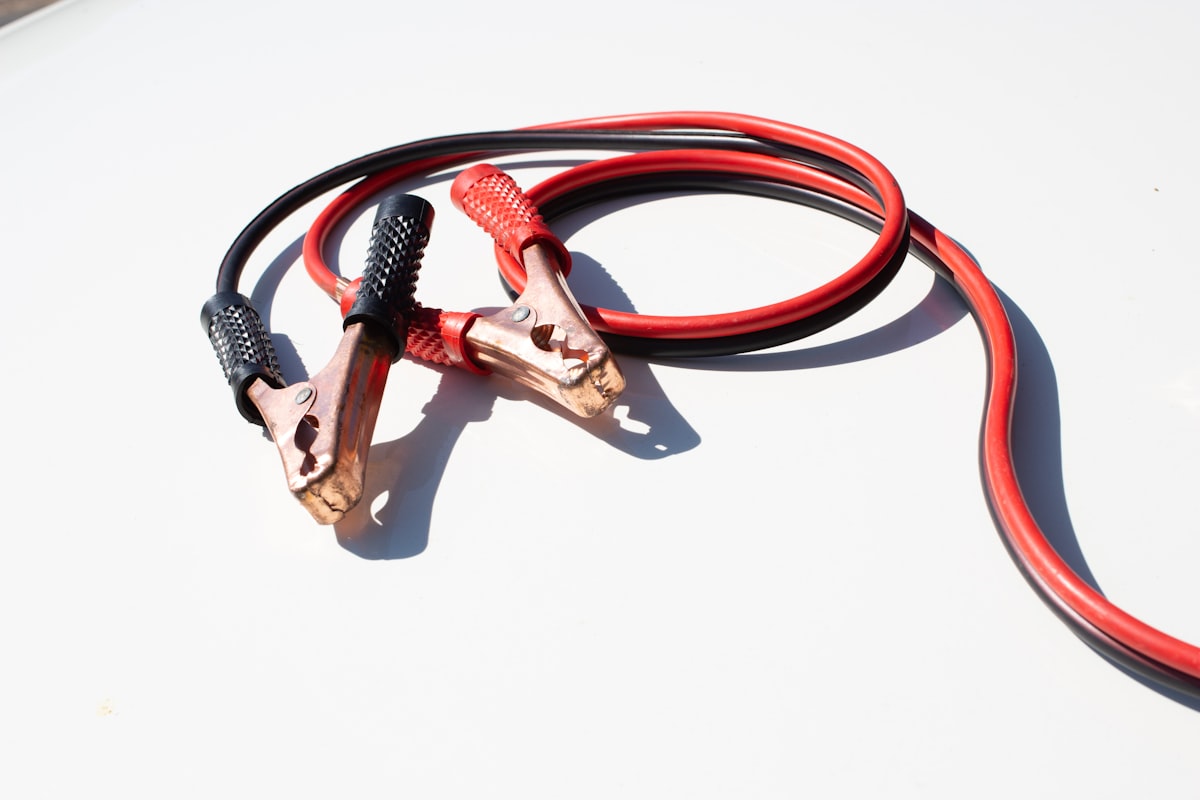
A car battery is one of the few parts on your car that will, with total certainty, fail eventually — not maybe, not if you are unlucky, but definitely, on a timeline you can more or less predict. And yet the way most people find out their battery has reached the end is by walking out to a car that will not start, usually on the coldest morning of the year, usually when they have somewhere to be. It does not have to go that way. Batteries give you a fairly reliable lifespan and a set of warning signs, and replacing one before it dies on you is one of the easiest breakdowns in all of motoring to avoid.
The rough rule of thumb is three to five years for a typical car battery, and that range is real — plenty of batteries make it past five, and plenty give up before three. What decides where yours lands is mostly heat, cold, and how the car is used. Extreme heat is actually harder on a battery's internals than cold, but cold is what exposes a battery that has already been weakened, because a cold engine is harder to turn over and a cold battery has less to give. Around here, our mild-but-damp climate is not especially brutal on batteries, but the first genuine cold snap each year is the classic moment a three- or four-year-old battery that was “fine” suddenly is not.
How you drive matters too. Lots of short trips never give the battery a full recharge, so it lives in a slightly depleted state that shortens its life. A car that sits for long stretches slowly discharges. And accessories, cold starts, and a hard life all take their toll. So the honest version of the rule is: past about three years, your battery is in the zone where it is worth testing, and past five, it is living on borrowed time.
A dying battery usually gives you a few chances to catch it before it strands you.
This is worth saying, because it saves people money. A battery that keeps going flat is not always a bad battery — sometimes the charging system is not keeping it topped up, or something is quietly draining it while the car is parked. If you replace the battery and the new one dies too, the battery was never the problem. We wrote a whole piece on exactly that situation: why a battery keeps dying even when it is new. So the right move when a battery is misbehaving is to test the battery and the charging system, not just to throw a new battery at it and hope.
Whether a battery starts the car today is not the same question as whether it can be relied on tomorrow. A proper test puts the battery under a load and measures whether it can still deliver the current it is rated for — effectively simulating a hard cold start. That tells you how much life is genuinely left, rather than the false comfort of “well, it started this morning.” It takes a few minutes, and it is the difference between choosing when to replace your battery and having the battery choose for you. We check the charging system at the same time, so if the alternator is the real culprit, we catch it before you have paid for a battery you did not need.
Of all the ways a car can leave you stuck, a dead battery is both the most common and the most avoidable. It follows a schedule, it warns you, and the test is quick and cheap. Heading into the colder months, if your battery is past three years old or you have noticed any slow cranking, getting it tested now — rather than after it fails — is about the highest-value ten minutes you can spend on the car. It is a small thing that saves a genuinely bad morning, which is the whole point of the maintenance that never feels urgent until it is.
Typically three to five years, though some last longer and some fail sooner. Heat, cold, lots of short trips, and long periods of sitting all shorten it. Past about three years it is worth having tested, and past five it is on borrowed time — a good candidate for replacing before it strands you rather than after.
Slow, labored cranking when you start — especially when it is cold — dim or flickering lights, needing a jump-start, and heavy corrosion on the terminals. If the engine turns over more reluctantly than it used to, or the car struggled to start on the last cold morning, that is the battery telling you it is near the end.
Because the problem may not be the battery at all — a charging system that is not keeping it topped up, or a parasitic drain pulling it down while the car is parked, will kill a brand-new battery too. If a new battery goes flat, the battery was never the cause. The fix is to test the charging system and check for a drain, not to keep buying batteries.
Yes, and it is quick. A load test measures whether the battery can still deliver the current it is rated for, which is a very different question from whether it happened to start the car this morning. That is how you find out if a battery is about to fail while you can still choose when to replace it.
It depends on your car — some take larger or specialised batteries than others — and we always test the charging system first so you are not paying for a battery when the alternator is the real issue. We give you the price before doing anything. Call (253) 375-7057 for a straight answer for your vehicle.
If your battery is a few years old or has been cranking slow, a quick test now is far better than a dead car on a frosty morning. We are on Meridian E in Graham, open Monday to Friday, and we will test the battery and the charging system and tell you honestly where you stand. Call (253) 375-7057 or book a time online.
Bring it in and we will tell you what it actually needs. Open Monday to Friday, 9am to 5pm.
Every fall the question comes back: should you let the car warm up before driving? For basically every modern car, the long idle…
A car that shudders at a red light but drives fine is a common complaint — and a different problem from a shake at highway speed…
A burning smell is your car burning something it shouldn't be, and what that something is ranges from harmless to the early…
Tell us the noise, the light, or the mileage. We will tell you what it takes.