
What that rotten-egg smell from your car means
A sharp, sulfur, rotten-egg smell points at one part of your car — and while it's rarely a stop-now emergency, it's a fuel or…
Winter around here is not the kind of winter people picture when they think about winterizing a car. We are not talking about a foot of snow and block heaters. Pacific Northwest winter is wet, dark, and cold in a persistent, low-grade way — weeks of rain, mornings in the thirties, fogged-up windows, and the occasional cold snap or trip over a mountain pass where it genuinely does snow. That specific mix is hard on a few particular parts of your car, and the good news is that getting ready for it is cheap and quick if you do it before the weather turns rather than after something has already left you stranded in a dark parking lot. Here is what actually matters for a Graham winter, roughly in order of how likely it is to leave you stuck.
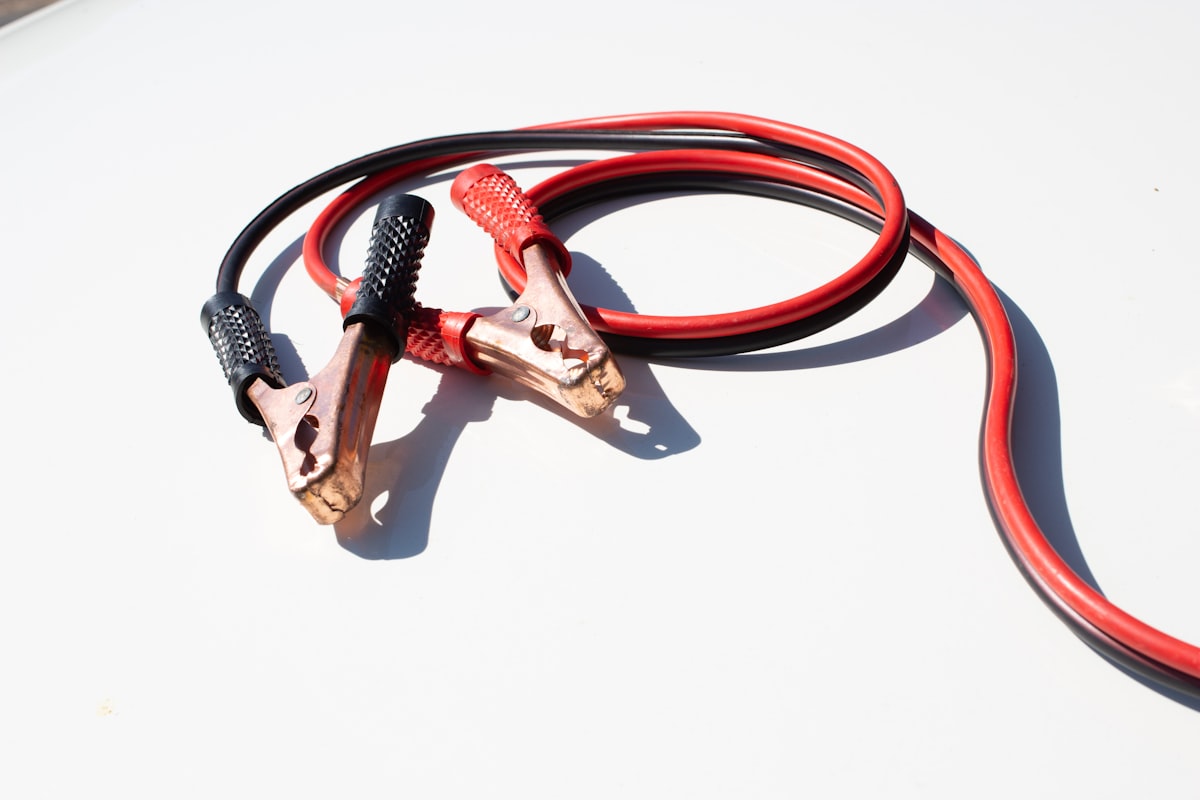
Cold is hard on batteries. A battery that has been quietly weakening all summer often has just enough left to start the car in July and not quite enough on the first cold morning in November. Cold thickens the oil the engine has to turn over and slows the chemical reaction inside the battery itself, so the same tired battery that coped in warm weather suddenly cannot do the job. This is the single most common winter no-start we see, and it is almost entirely preventable.
The fix is simple: have the battery tested before winter, not after it fails. A proper test measures whether it can still deliver the current a cold start demands, which is different from whether the car happens to start today. If yours is more than three or four years old, that test is worth doing now. And if you have already had a car that keeps dying even though the battery is new, winter is when that underlying charging problem will really show itself.
Winter here is as much about seeing as it is about traction. Between the rain, the road spray off I-5, the early darkness, and windows that fog up the moment you get in with a wet coat, visibility is the thing you fight every single drive.
Wiper rubber hardens and splits over a summer of sun and heat, and you usually do not notice until the first real downpour smears the windshield instead of clearing it. Blades are cheap and quick to change. If yours are streaking, chattering, or leaving a film, replace them before you are peering through a smeared windshield on the way home in the dark.
You will use far more washer fluid in winter than summer, clearing road grime and salt spray. Keep the reservoir topped up, and use a proper winter fluid rather than plain water — on a cold-enough morning water freezes in the lines and the reservoir, and then you have no washers exactly when you need them most.
A working defroster is a safety system in this climate, not a comfort feature. It is what clears the fog and condensation off the inside of the glass so you can actually see out. The heat and the defrost both come from the same system, and if your defrost is slow or the air conditioning has quit, that is worth sorting before the wet season, because the AC is part of how the system pulls moisture off the windshield.
You do not need studded tires or chains for daily driving around Graham most winters, but you do need tires with enough tread to clear water, because the real everyday danger here is hydroplaning on a soaked road, not deep snow. Tread depth is what channels water out from under the tire so the rubber can still grip. Worn tires on a wet freeway are genuinely dangerous in a way that is easy to underestimate because the car feels fine right up until it does not.
Two quick things to check. First, tread: the old trick of putting a quarter into the tread groove upside down still works — if you can see the top of Washington's head, the tread is getting low. Second, pressure: tire pressure drops as the temperature drops, roughly a pound or two for every ten degrees, so tires that were set in summer are often noticeably low by the first cold week. Low tires wear faster, use more fuel, and handle worse in the wet. It is a two-minute check.
If you do head up to the passes — Snoqualmie, Chinook, White Pass — that is a different standard, and Washington runs traction and chain requirements when conditions call for it. Carry chains if you are going over, and make sure they fit your car before you are standing in the snow finding out they do not.
A few things under the hood do quiet, important work in winter.
If you want the short version, this is what we would look at before the wet season really sets in:
None of that is expensive on its own, and most of it can be looked at in a single visit. The whole point of doing it now is that every item on that list is far cheaper as a planned check than as a roadside failure on a cold, dark, rainy night with somewhere to be.
Not in the heavy-snow sense — you rarely need chains or snow tires for daily driving around Graham. But our winter is wet, dark, and cold, which is hard on batteries, wipers, tires and defrost systems. Winterizing here means making sure those specific things are ready, and it is quick and cheap compared to being stranded.
A dead battery on the first cold morning. A battery that has been weakening through the year often has just enough to start the car in warm weather and not enough once the cold arrives. Having it tested beforehand is the easiest breakdown to avoid entirely.
For everyday local driving, usually not — good all-season tires with real tread are what you need, because the daily risk here is a wet road, not deep snow. If you regularly drive over the mountain passes, that is different: carry chains, make sure they fit your car in advance, and follow Washington's traction requirements when they are in effect.
Fogging is warm, damp cabin air hitting cold glass. Running the defrost with the air conditioning on pulls the moisture out of the air, which clears it faster and keeps it clear — yes, the AC in winter. If your defrost is slow or the AC has stopped working, that is worth fixing before the wet season, because it is genuinely a visibility and safety issue.
Most of a pre-winter check is inspection, and we go over anything we find, and its price, with you before doing any work. Nothing gets done without your say-so. Call (253) 375-7057 and we will sort out a time to look the car over.
The best time to get a car ready for a Pacific Northwest winter is a dry week in the fall, before the first cold morning finds the weak spot for you. We are on Meridian E in Graham, open Monday to Friday, and we will run through the battery, tires, wipers, coolant and brakes and tell you honestly what needs attention and what is fine as-is. Call (253) 375-7057 or book a time online.
Bring it in and we will tell you what it actually needs. Open Monday to Friday, 9am to 5pm.
A sharp, sulfur, rotten-egg smell points at one part of your car — and while it's rarely a stop-now emergency, it's a fuel or…
A shimmy in the wheel or a pulse in the pedal that shows up only when you brake tells a different story than a shake at highway…
Everyone knows brake pads wear out. Far fewer think about brake fluid — the thing that actually makes your brakes work, which…
Tell us the noise, the light, or the mileage. We will tell you what it takes.