
Winter tires vs. all-season in the Pacific Northwest
Do you actually need winter tires in western Washington, or are your all-seasons enough? We don't get buried in snow, but we get…
A car that won't start is not one problem — it is a dozen possible problems that all end the same frustrating way. The good news is that you can usually narrow it down in a couple of minutes with nothing but your ears and your eyes, and knowing which kind of "won't start" you have makes the call to the shop faster, cheaper, and a lot less stressful. Here is how to work out what your car is actually doing, what the usual culprits are, and what to do next.
Turn the key or press the button and listen closely. What happens in that first second tells us more than almost anything else, and it splits the problem into a few clear buckets.
If the dash is dark, the dome light is dead, and turning the key does nothing, you almost certainly have no power reaching the system. That is usually a dead battery, a loose or corroded battery terminal, or a bad connection. It is also, happily, often the cheapest fix on this list.
Lights come on but you get one heavy clunk, or a fast click-click-click when you turn the key. That is the sound of a starter trying to engage without enough power to do it — most often a weak battery, sometimes the starter itself, occasionally a corroded connection between them.
The engine turns over — that familiar rrr-rrr-rrr — but never fires up and runs. Here the battery and starter are doing their job; the engine just isn't getting one of the three things it needs to run: fuel, spark, or air at the right time. This one usually needs a scan to pin down.
The engine almost catches and then quits, sometimes repeatedly. This often points to a fuel-delivery or ignition problem, and sometimes an anti-theft/security fault locking the engine out.
Before you call anyone, a few quick checks either solve it or give us a huge head start.
Across the cars that come in on a hook or a jump, the causes cluster in a predictable order.
The battery. By far the most common. Batteries typically last three to five years, and cold snaps, short trips, and age all shorten that. A battery can read fine one day and fail the next.
The charging system (alternator). The alternator recharges the battery while you drive. When it fails, the car runs off the battery until it is flat — so a "dead battery" that keeps coming back is often really a failing alternator. We cover this in detail in why your new battery keeps dying.
The starter. The motor that spins the engine to life. A worn starter often shows up as that single click, or as intermittent no-starts that come and go.
Fuel and ignition. A failing fuel pump, a clogged filter, worn spark plugs, or a bad coil can leave a cranking engine unable to fire. If the engine turns over but won't catch, this is the territory.
Security and sensors. A crank-position sensor, a blown fuse, or an anti-theft system that doesn't recognise the key can all cause a no-start with none of the obvious symptoms.
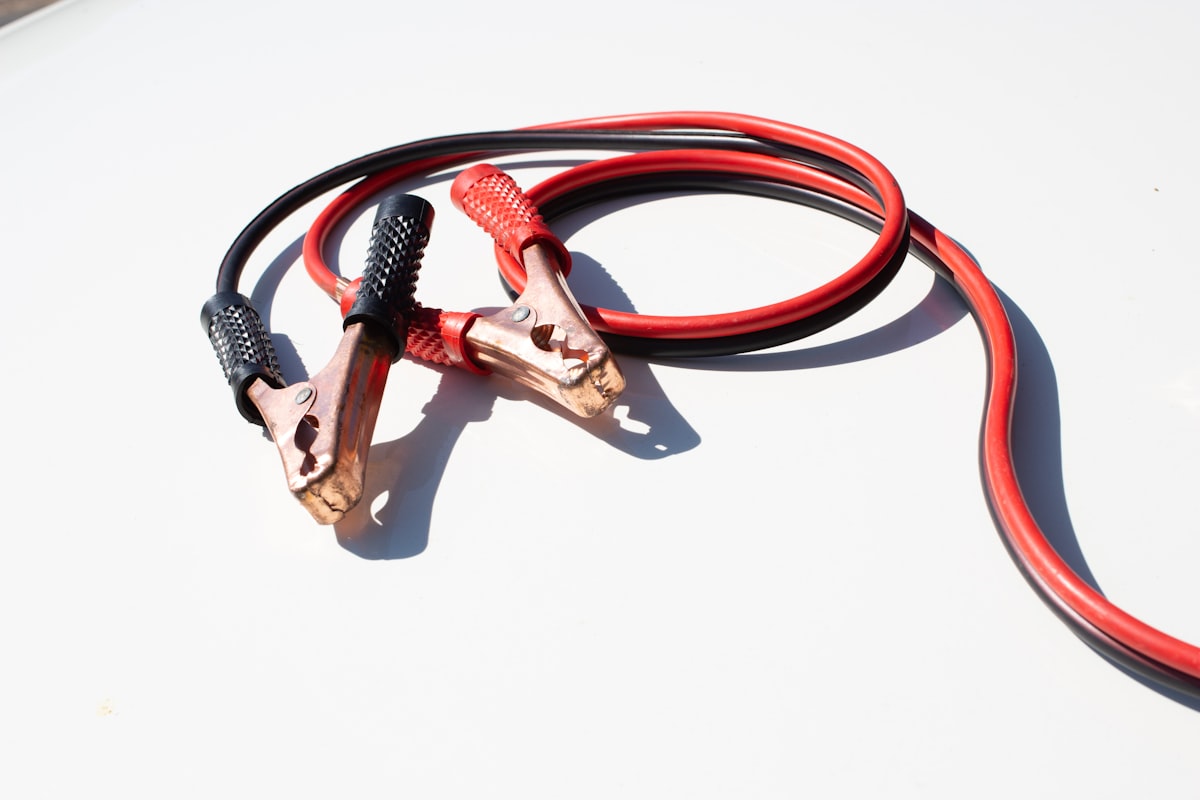
A jump-start is a diagnostic tool, not just a fix. What it does next matters:
If a jump gets you moving, drive straight to a shop rather than home — the next time it sits, it may not start at all.
Treat these as bands, not quotes, because the price is set entirely by which of the above it turns out to be. A battery or a cleaned-up terminal is the low end. A starter or an alternator is a moderate repair. A fuel pump or a deeper ignition/electrical fault sits higher, mostly because of the diagnostic and access time involved. The single most expensive mistake is guessing — replacing a battery when the real fault is the alternator just leaves you stranded again with two bills instead of one. If the repair lands at an awkward time, we offer financing on repairs.
A no-start is a test, not a guess. We check the whole starting and charging system together — battery state and health, the alternator's output, the starter draw, the connections, and the trouble codes if the engine cranks but won't fire. That is the difference between "we replaced the battery and hoped" and "we tested it and the alternator was down to nine volts." You get told what actually failed and what the fix costs before we touch it.
A single click or rapid clicking when you turn the key is the starter trying to work without enough power. Most often it is a weak or dead battery; if the battery tests good, the starter itself or the connection between them is the next suspect.
A quick tell: if the headlights are bright and strong but the engine won't crank, the battery has power and the starter is the more likely fault. If the lights are dim or dead and a jump brings the car to life, it points at the battery. A proper test confirms it in a few minutes.
Yes — indirectly. The alternator keeps the battery charged while you drive. If it fails, the battery slowly drains until there isn't enough left to start the car. That is why a repeatedly "dead" battery is often really a charging problem.
Yes, if you follow your owner's manual for the connection order and the car has no visible battery damage or leaks. If the battery is cracked, swollen, or leaking, don't jump it — call for help. And if a jump works, drive to a shop, not home.
Lights working means the battery has some charge, so a fully dead battery is less likely. The fault is usually further along: the starter, a connection, the ignition switch, or — if it cranks but won't fire — fuel or spark. This is the kind that benefits from a scan.
If your car won't start, work out which bucket it is in above, then call us — it makes the whole thing faster. We are on Meridian E in Graham, open Monday to Friday, and we test the starting and charging system properly instead of guessing at parts. Here is what our battery and electrical service covers, or call (253) 375-7057 or book a time online.
Bring it in and we will tell you what it actually needs. Open Monday to Friday, 9am to 5pm.
Do you actually need winter tires in western Washington, or are your all-seasons enough? We don't get buried in snow, but we get…
The oil level keeps dropping but there's no puddle — so where is it going? A car that uses oil without leaking it is burning it…
Tire rotation is one of the cheapest, most-skipped pieces of maintenance there is — and skipping it wears out a set of tires…
Tell us the noise, the light, or the mileage. We will tell you what it takes.