
What that burning smell from your car means
A burning smell is your car burning something it shouldn't be, and what that something is ranges from harmless to the early…
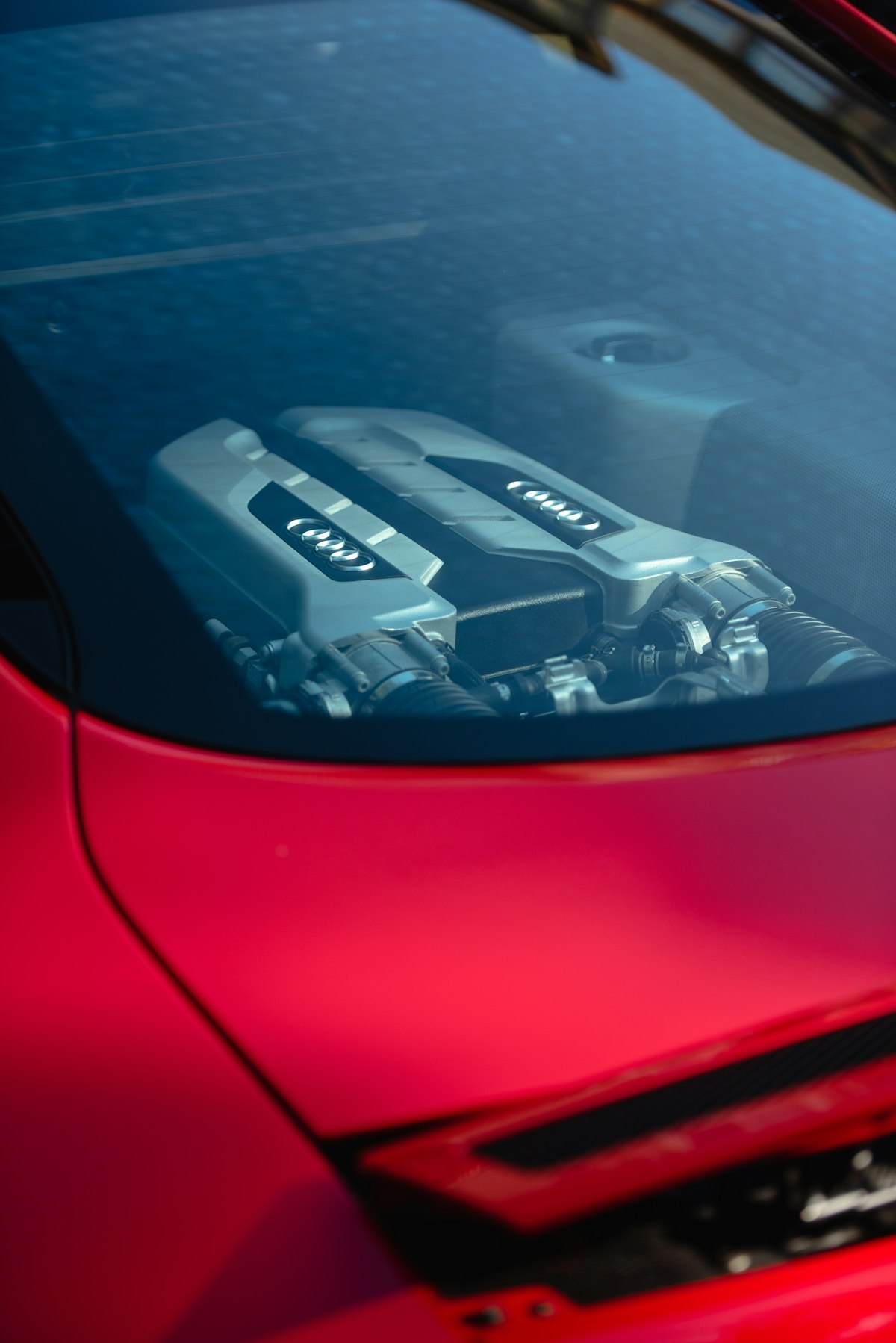
Most people notice it at a red light. The car is stopped, in gear, and instead of sitting there smoothly it shudders — you feel it through the seat, the steering wheel, maybe the whole cabin buzzes a little — and then you pull away and it smooths out. A car that shakes when it is idling but drives fine is a common complaint, and it is a different problem from a car that shakes at highway speed. The high-speed shake is almost always about wheels and balance. The idle shake is almost always about the engine — either how it is running or how it is mounted. Here is how to tell which, and what the usual causes are.
A modern engine at idle should be smooth enough that, sitting at a light, you can mostly forget it is running. The engine is turning over a few hundred times a minute, each cylinder firing in turn, and the whole thing is tuned and cushioned so those little explosions blend into a steady hum. When you feel a shake at idle, it means either the firing has become uneven — one or more cylinders not pulling their weight — or the cushioning that normally isolates you from the engine's motion has worn out. Those are the two families of cause, and they feel slightly different.
If the shake comes with the engine sounding uneven — a lumpy, loping idle, maybe the odd stumble, sometimes a check engine light — the problem is likely in how the engine is running.
Spark plugs wear out, and a plug that is not firing cleanly means a cylinder that is misfiring. At idle, where the engine is turning slowly, one weak cylinder is very noticeable as a shake, even if it smooths out under load. Worn plugs or a failing ignition coil are among the most common causes, and often among the cheaper ones.
The engine relies on carefully metered air. A cracked hose or a leaking gasket lets in extra, unmeasured air, which upsets the mixture and makes the idle rough and sometimes high or hunting. On the older, higher-mileage cars common around here, perished rubber is a frequent culprit.
Clogged fuel injectors, a dirty throttle body, or a tired air or fuel filter can all disturb the idle by upsetting how much fuel and air the engine gets when it is just ticking over. These build up gradually, so the idle often gets rougher so slowly you do not notice until it is pronounced.
The tell for this whole family: the shake is tied to the engine sounding or running wrong, and it often comes with a check engine light. If yours is on, our piece on what a steady check engine light means is a useful companion, because a misfire is one of the classic causes.
The second family feels different. If the engine sounds fine — steady, even, no misfire — but you still feel a shake or a heavy vibration at idle, especially when you put the car in gear and it settles, the problem may not be the engine at all but the mounts that hold it.
Engine mounts are rubber-and-metal blocks that bolt the engine to the car and, crucially, absorb its vibration so you do not feel it. Over time the rubber cracks, softens, or fails, and when a mount goes the engine's normal motion transmits straight into the body of the car. The classic sign is a shake that is worse when you are stopped in gear — at a light with your foot on the brake — and eases in neutral or park, because the engine loads the broken mount differently. A clunk when you shift or accelerate can come along with it. The engine is running perfectly; it is just no longer isolated from you.
You can gather a few clues that point one way or the other.
These are pointers, not a diagnosis — the two families can overlap, and a car can have both a tired plug and a soft mount at the same time. But they help you describe it usefully, which makes the actual diagnosis faster.
An idle shake is rarely an emergency, but it is worth sorting for two reasons. First, most of the causes get worse and some get more expensive — a misfire left alone can foul more parts and, if it becomes severe, can damage the catalytic converter; a failing mount stresses the ones still holding. Second, a rough idle usually means the engine is not running as efficiently as it should, which quietly costs you fuel. It is the same story as most of these things: cheaper and simpler to deal with as a small complaint than as the failure it grows into. When the car comes in, we can read any stored codes, check the ignition and the mixture, and physically inspect the mounts — and tell you which of the two it actually is rather than guessing from the symptom.
Because idle is when the engine's roughness or a worn mount is least masked. At speed, the engine turns faster and the drivetrain is loaded, which smooths things out; at a stop, a misfiring cylinder or a failed engine mount is easy to feel. It usually points at either how the engine is running or how it is mounted, not at the wheels.
A rough, uneven-sounding idle — often with a check engine light — points at a running problem like worn spark plugs or a vacuum leak. A smooth-sounding engine that still shakes, worse in gear at a stop and better in park, points at a worn engine mount. The in-gear-versus-park comparison is one of the more telling checks.
Usually, for a while — it is more a "get it looked at" than a "stop now." The reasons not to leave it are that most causes worsen, a bad misfire can eventually harm the catalytic converter, and a rough idle wastes fuel. If a check engine light starts flashing, that is different — that means an active misfire and warrants prompt attention.
Yes. A plug that is not firing cleanly means a cylinder that is misfiring, and at idle — where the engine is turning slowly — one weak cylinder is very noticeable as a shake, even if it smooths out once you are moving. Plugs are one of the more common and often more affordable causes.
It depends on the cause — spark plugs are modest, a vacuum leak or a cleaning varies, and engine mounts depend on the car. The diagnosis is what tells us which, and we go over the price with you before any work. Call (253) 375-7057 for a straight answer for your vehicle.
If your car shudders at every red light, it is worth finding out whether it is a cheap tune-up item or a worn mount before it gets worse or starts costing you at the pump. We are on Meridian E in Graham, open Monday to Friday, and we will read the codes, check how it is running, and inspect the mounts. See how we diagnose, call (253) 375-7057, or book a time online.
Bring it in and we will tell you what it actually needs. Open Monday to Friday, 9am to 5pm.
A burning smell is your car burning something it shouldn't be, and what that something is ranges from harmless to the early…
That orange horseshoe with an exclamation mark is your tire pressure light, and it's one of the most common to come on in the…
A new noise when you turn the wheel is unsettling — but the sound itself is a clue. Where it comes from and when it happens…
Tell us the noise, the light, or the mileage. We will tell you what it takes.