
Why is my car burning oil?
The oil level keeps dropping but there's no puddle — so where is it going? A car that uses oil without leaking it is burning it…
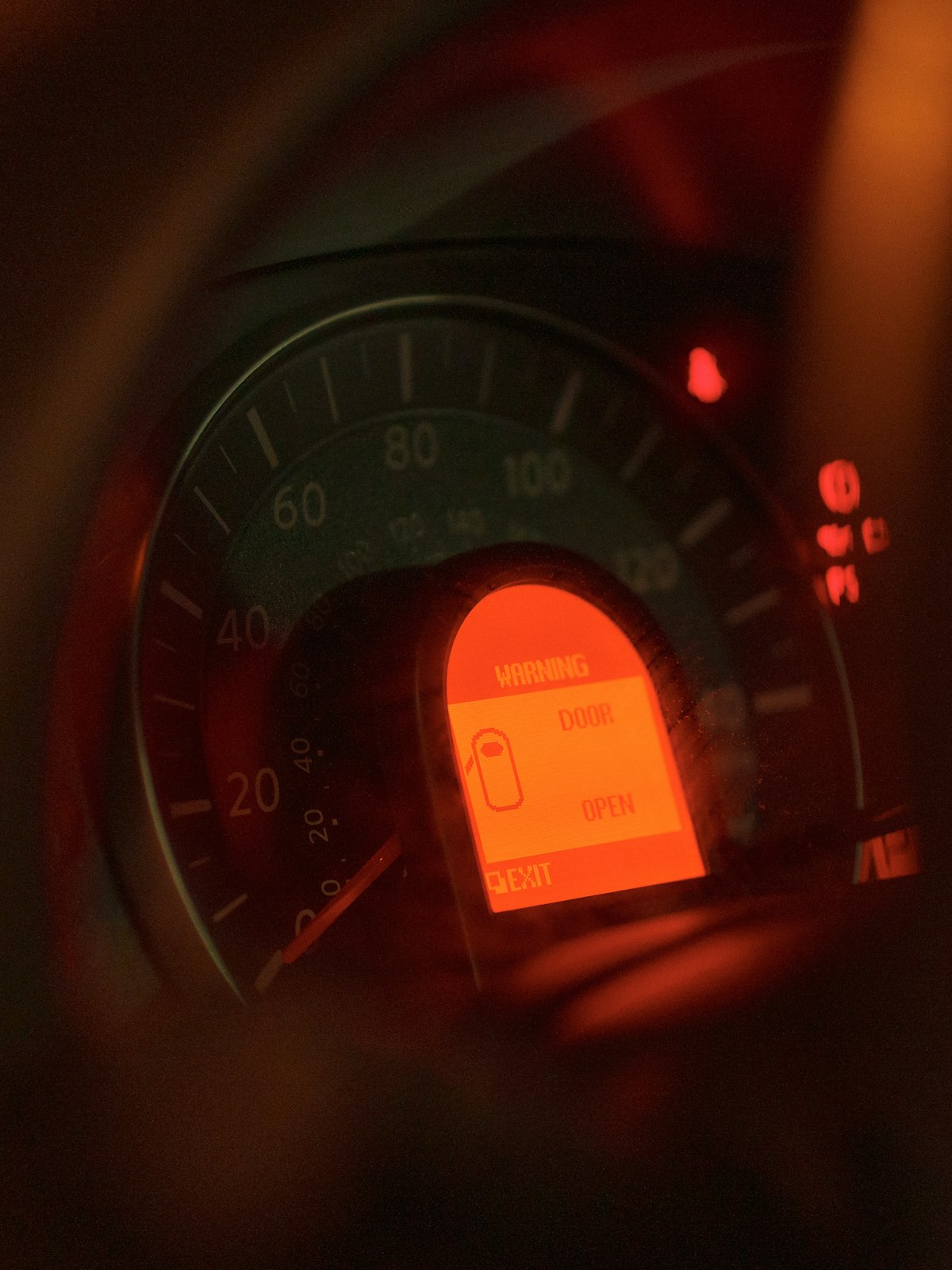
Your check engine light comes on, you brace for the car to start running badly, and… nothing. It drives exactly the same. No noise, no smoke, no loss of power. So the obvious question is the one we get on the phone almost every week: if the car feels fine, do I actually need to do anything about it? The short answer is yes, but not in a panic. A steady check engine light is the car telling you it has found a fault and stored a code. It is not an emergency the way a flashing light is an emergency, but it is not nothing either, and the reasons it is worth looking at are more about money than drama.
This is the first thing to sort out, because the two mean very different things. A light that stays on steadily means the engine computer has detected a problem and logged it, but the problem is not currently doing damage fast enough to warrant an alarm. A light that flashes means the opposite: something is going wrong right now, usually a misfire dumping raw fuel into the exhaust, and every mile is a risk to your catalytic converter. If your light is flashing, ease off the throttle and get the car looked at the same day. If it is steady, you have time to be sensible about it, which is what the rest of this is about.
Here is the part people find counterintuitive. The check engine light does not measure how bad you feel the problem is; it measures whether a sensor reading has drifted outside where it should be. Plenty of faults that trigger the light produce no symptom you can feel from the driver's seat, at least not at first. An oxygen sensor slowly going lazy, a small vacuum leak, an evaporative emissions fault, a catalytic converter starting to lose efficiency — none of those will necessarily change how the car drives on the day the light comes on. What they do is quietly cost you. A car running slightly rich because of a failing sensor burns more fuel on every trip. A misfire too small to feel still wears the parts around it. And the fault that is cheap to fix today is often the one that, ignored for six months, takes out a more expensive part downstream.
So "it drives fine" is genuinely good news — it usually means you have caught something early — but it is not a reason to leave the light on indefinitely. It is a reason to get it read while the fix is still small.
Every car is different and the only way to know is to read the codes, but these are the ones we see most often behind a steady light on a car that still drives normally.
It sounds too simple to be real, but a gas cap that did not click shut, or one whose seal has hardened with age, is one of the most common reasons for a check engine light. The cap is part of the system that stops fuel vapour escaping, and if it does not seal, the computer sees the leak and lights the dash. Tighten it, and if the light clears itself after a few drives, that was it. If it comes back, the fault is elsewhere in the evaporative system.
These sensors tell the computer how to mix fuel and air, and they wear out with age and mileage. A tired one throws the light and quietly hurts your fuel economy, which is the main reason not to ignore it — you pay for it a little at every fill-up.
A cracked hose or a perished gasket lets in unmetered air, which upsets the fuel mixture. Sometimes you get a faint rough idle with it, often you feel nothing. On the older, higher-mileage cars common around Graham, aged rubber is a frequent culprit.
A code pointing at catalytic converter efficiency is the one you do not want to sit on, because a converter is an expensive part — and it often fails because an earlier, cheaper fault like a misfire or a bad sensor was left alone long enough to cook it. Catching the upstream fault early is how you avoid the downstream bill.
Worn spark plugs or a weak ignition coil can set a misfire code that is small enough you barely feel it, especially at steady cruising speed. Left long enough, a small misfire becomes a big one, and a big one is what turns the steady light into a flashing one.
You do not need any tools to do a couple of useful things.
One thing worth being clear about: the free code read you can get at a parts store gives you a number, not a diagnosis. The code tells you which circuit reported a problem, not which part is actually bad. Two cars with the identical code can need two completely different repairs. That gap between the code and the cause is exactly the work a proper diagnostic does.
When the car comes in, we pull every stored code, not just the one lighting the dash, along with the freeze-frame data the computer saved at the moment the fault triggered — engine temperature, speed, load, fuel trims. That context is often what separates a five-minute answer from a wrong guess. From there we test the actual parts: is the sensor lying, or is it reporting a real problem correctly? We would rather spend twenty minutes confirming which it is than sell you a sensor that was telling the truth. Then you get told what is wrong, what it costs, and what happens if it waits — because sometimes the honest answer is that it can wait, and we will say so.
With a steady light and a car that drives completely normally, short-term, usually yes — driving to work this week is not going to destroy the engine. What you should not do is treat "it still drives fine" as a permanent plan. The light is on for a reason, that reason is usually costing you fuel or setting up a bigger repair, and the codes fade in usefulness the longer the fault sits. Get it read while it is cheap. If the light ever starts flashing, or the car starts running rough, losing power, or blowing smoke, that changes — stop driving it and call us.
For a short time, with a steady (not flashing) light and no change in how the car drives, yes. The risk is not usually a breakdown tomorrow; it is that the underlying fault is wasting fuel or quietly setting up a more expensive repair. Get the codes read soon rather than leaving it for months.
Because the light responds to sensor readings, not to how the car feels. Faults like a failing oxygen sensor, a small vacuum leak, an evaporative emissions problem, or an early catalytic converter issue often produce no symptom you can feel at first. "Nothing seems wrong" usually means you caught it early, which is a good thing.
Yes, and it is one of the most common causes. The cap seals the fuel vapour system, and if it is loose or the seal is worn, the computer detects the leak and lights the dash. Tighten it; if the light clears after a few drives, that was the cause. If it returns, the fault is elsewhere.
It tells you the code, not the cause. The code names the circuit that reported a fault, not the specific part that has failed — and two cars with the same code can need different repairs. It is a useful starting point, but the actual diagnosis is testing the parts to find which one is genuinely at fault.
It depends on the fault, which is what the diagnostic tells us. We go over the price with you before we start any work, so the number is never a surprise on the bill. Call us at (253) 375-7057 for a straight answer for your vehicle.
A steady check engine light on a car that drives fine is the best-case version of a warning light — you have almost certainly caught something early. The worst thing you can do is nothing, until the small fault becomes a big one. We are on Meridian E in Graham, open Monday to Friday, and we will read the codes, test the actual parts, and tell you honestly what needs doing and what can wait. See what our service covers, call (253) 375-7057, or book a time online.
Bring it in and we will tell you what it actually needs. Open Monday to Friday, 9am to 5pm.
The oil level keeps dropping but there's no puddle — so where is it going? A car that uses oil without leaking it is burning it…
Tire rotation is one of the cheapest, most-skipped pieces of maintenance there is — and skipping it wears out a set of tires…
Premium fuel looks like the responsible choice, and the price gap adds up. Does your car actually need it, or is regular fine?…
Tell us the noise, the light, or the mileage. We will tell you what it takes.