
That squealing noise when you start the car
You start the car and it lets out a loud squeal from under the hood that fades as the engine settles. It almost always comes from…
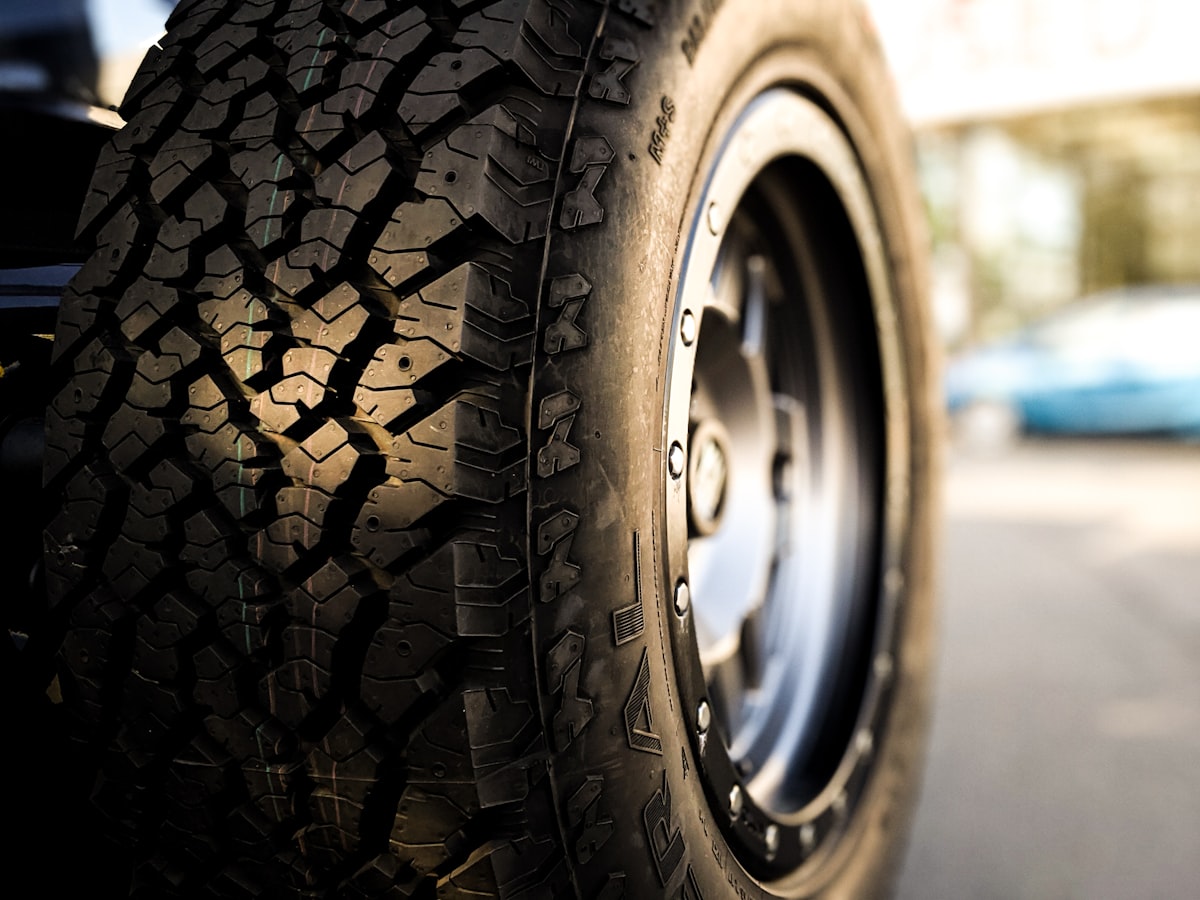
Wheel alignment is one of those maintenance items that is easy to skip because nothing dramatic happens when it is off. The car does not make a scary noise or refuse to start. Instead it quietly does two things: it wears your tires out faster than it should, and it makes the car a little harder and less safe to drive without you always noticing why. Alignment is cheap compared to a set of tires, and catching it early is the difference between a quick adjustment and buying rubber you should not have had to. Here is how to tell when your car needs an alignment, and why it drifts out in the first place.
Your wheels are supposed to sit at very precise angles relative to the road and to each other — a few degrees here, a fraction of a degree there. Those angles are what make the car track straight, steer predictably, and wear its tires evenly. Alignment is the process of setting those angles back to the manufacturer's specification. When they drift out of spec, the tires are no longer rolling straight down the road; they are scrubbing slightly sideways with every mile, and that scrubbing is what wears them out and tugs at the steering.
The car will tell you, if you know what to notice.
The most obvious sign. On a straight, flat road, if you loosen your grip and the car drifts steadily to the left or right rather than tracking straight, the alignment is likely off. A word of caution: roads are often crowned to drain water, so a very slight drift to the right can be the road, not the car. A definite, consistent pull is the alignment.
If you are driving straight but the steering wheel sits cocked to one side — the logo tilted when it should be level — that is a classic alignment symptom. The car is going straight, but the wheels are having to be held at an angle to do it.
This is the expensive one, and it is often the first real evidence. Alignment that is out wears the tires unevenly — more on one edge than the other, or a scuffed, feathered pattern you can feel by running a hand across the tread. If one edge of a tire is worn down while the rest looks healthy, alignment is a prime suspect, and left alone it will keep eating tires.
A car that will not settle into a straight line — that needs constant small steering corrections to stay in its lane — can be telling you the alignment is off. It is subtle, and you often only notice how much work you were doing after it is fixed and the car suddenly tracks straight on its own.
Sometimes it is dramatic and you know exactly when it happened; more often it creeps up.
It is worth separating alignment from a couple of things people confuse it with. A shimmy or vibration you feel through the wheel at highway speed is usually a tire balance problem, which is different from alignment, though the two often get checked together. And a clunk or looseness in the steering points at worn suspension parts, which need fixing before an alignment will even hold. A good shop looks at all of it, because aligning a car with a worn steering component just means it goes out again.
The math on alignment is simple and one-sided. An alignment is an inexpensive service. A set of tires is not. Driving on a bad alignment scrubs the life out of your tires — sometimes taking thousands of miles off their expected life — so the money you save by putting off a cheap adjustment gets spent, several times over, on tires that wore out early. On top of that, a car that pulls or wanders is quietly harder to drive and less stable in an emergency, which matters more on wet fall and winter roads. Fixing the alignment protects the tires you have and makes the car nicer and safer to drive, all for less than the cost of the damage it prevents.
The common signs are the car pulling to one side on a straight road, the steering wheel sitting off-center when you are going straight, uneven or rapid tire wear, and the car wandering so you are always making small corrections. Any one of those is a good reason to have the alignment checked; uneven tire wear especially, because that is money leaving through your tires.
It is not dangerous the way a brake problem is, but it makes the car harder to control, less stable, and it wears your tires out fast. A car that pulls or wanders takes more effort to keep straight, which matters most in wet or emergency conditions. It is safe enough to get to the shop, but not something worth living with.
There is no strict mileage rule — it depends on the roads you drive and what you hit. A sensible habit is to have it checked when you get new tires, after any suspension work, and any time you notice the signs above or take a hard hit on a pothole or curb. Regular checks catch it before it costs you a set of tires.
Alignment sets the angles of the wheels so the car tracks straight and wears tires evenly. Balancing corrects small weight differences in a wheel-and-tire so it spins smoothly — an out-of-balance wheel causes a vibration at speed. They are different jobs that solve different problems, though it is common and sensible to check both at once.
An alignment is one of the more affordable services, and it usually pays for itself in tire life. If the car has a worn steering or suspension part, that needs sorting first for the alignment to hold, which we would show you and price before doing. Call (253) 375-7057 for a straight answer for your vehicle.
If your car pulls, the wheel sits crooked, or your tires are wearing on one edge, an alignment check now can save the tires you are driving on. We are on Meridian E in Graham, open Monday to Friday, and we will check the alignment and the steering parts that hold it, and tell you honestly what it needs. Call (253) 375-7057 or book a time online.
Bring it in and we will tell you what it actually needs. Open Monday to Friday, 9am to 5pm.
You start the car and it lets out a loud squeal from under the hood that fades as the engine settles. It almost always comes from…
A car battery is one of the few parts that will, with certainty, fail eventually — on a timeline you can mostly predict. Yet most…
Every fall the question comes back: should you let the car warm up before driving? For basically every modern car, the long idle…
Tell us the noise, the light, or the mileage. We will tell you what it takes.